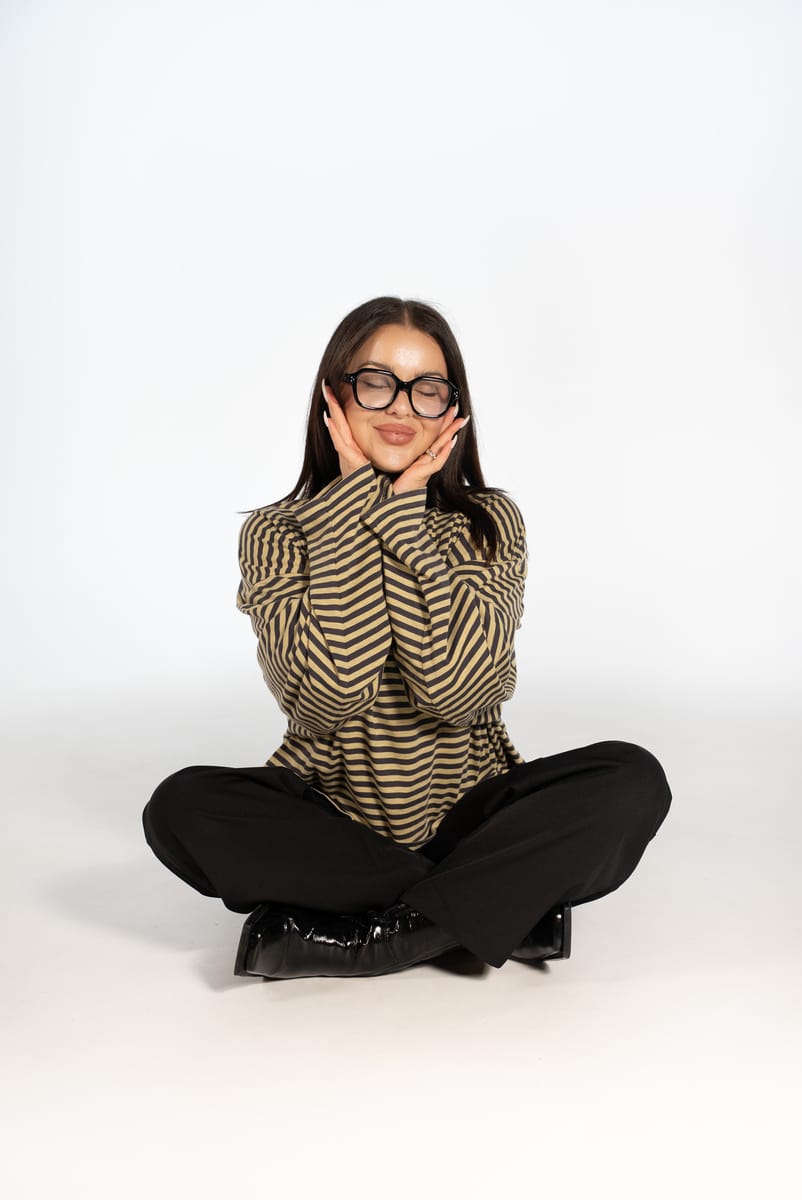


The Sinister Mechanics of the AI Influencer

Lil Miquela, Aitana Lopez, Milla Sofia.
The pristine, symmetrical-faced figures with aspirational lifestyles spent lounging on yachts or posing in minimalist penthouses.
They command millions of followers, secure high-ticket brand sponsorships, and maintain highly active, monetised fan bases.
These entities aren’t human beings; they are AI influencers.
And if you look closely at who it is exactly who funds the creation of such monstrosities, you’ll have the same fucked up realisation I just did: the vast majority of these virtual models are engineered, programmed, and commercially managed by rooms full of male software developers, graphic designers, and tech executives.
Let’s call this phenomenon exactly what it is: the rise of the AI influencer isn’t a revolutionary leap forward in media distribution. It is simply an updated vehicle for systemic misogyny and the ultimate monetisation of the male gaze.
The Illusion of the Flawless Commodity
From a behavioural and marketing perspective, the commercial appeal of a virtual model is obvious.
Human influencers are volatile assets. They can age, change their minds, experience mental health crises, demand fair labour practices, or voice controversial opinions that alienate stakeholders.
An AI influencer, however, is a frictionless dream. She is entirely compliant. She will wear exactly what a brand pays her to wear, pose exactly how she is programmed to pose, and will never demand a higher royalty split.
But when that compliant commodity is specifically packaged as a young woman, the power dynamics look, well, dark. Traditional media has always used editing software and rigorous beauty standards to police, restrict, and objectify the female form. The AI influencer eliminates the human middleman.
Men no longer have to scout, manage, or negotiate with actual women to profit off the hyper-sexualised, mass-market monetisation of the female body. They can simply open a text-to-image generator, build their ideal digital puppet from scratch, and reap 100% of the commercial ad revenue. It is the literal reduction of womanhood to raw corporate property.
Laundering the Male Gaze
What makes this trend particularly fucking gross is how these virtual models are marketed to the public. Agencies like The Clueless (the Spanish modelling agency that created Aitana Lopez) openly admit they designed their virtual influencer with a specific personality and style to maximize engagement from the straight male demographic.
Aitana is programmed to love video games, fitness, and fitness apparel, the checklist of traits designed to act as a digital thirst-trap.
When a real woman posts a bikini photo or capitalises on her own aesthetic, she retains her personal agency, her financial autonomy, and her right to control her own narrative.
When an AI influencer does it, it is a hollow simulation of female empowerment used to launder money back into male-dominated tech startups. The machine learns from millions of scraped, non-consensual images of real women to spit out a pristine, uncanny-valley composite that real, living women are then expected to compete against for brand dollars and attention metrics. It sets an impossible, synthetic baseline for physical appearance, while hollowing out the lived experience behind the lens.
Ahhh, just another day in the trenches, ladies. I hope you’re all surviving better than I am x
-Sophie Randell, Writer
Not going viral yet?
We get it. Creating content that does numbers is harder than it looks. But doing those big numbers is the fastest way to grow your brand. So if you’re tired of throwing sh*t at the wall and seeing what sticks, you’re in luck. Because making our clients go viral is kinda what we do every single day.